>>

A rustic Croatian side of garlicky Swiss chard tossed with tender Yukon Gold potatoes and grassy extra virgin olive oil. Simple, vibrant, and naturally vegan.
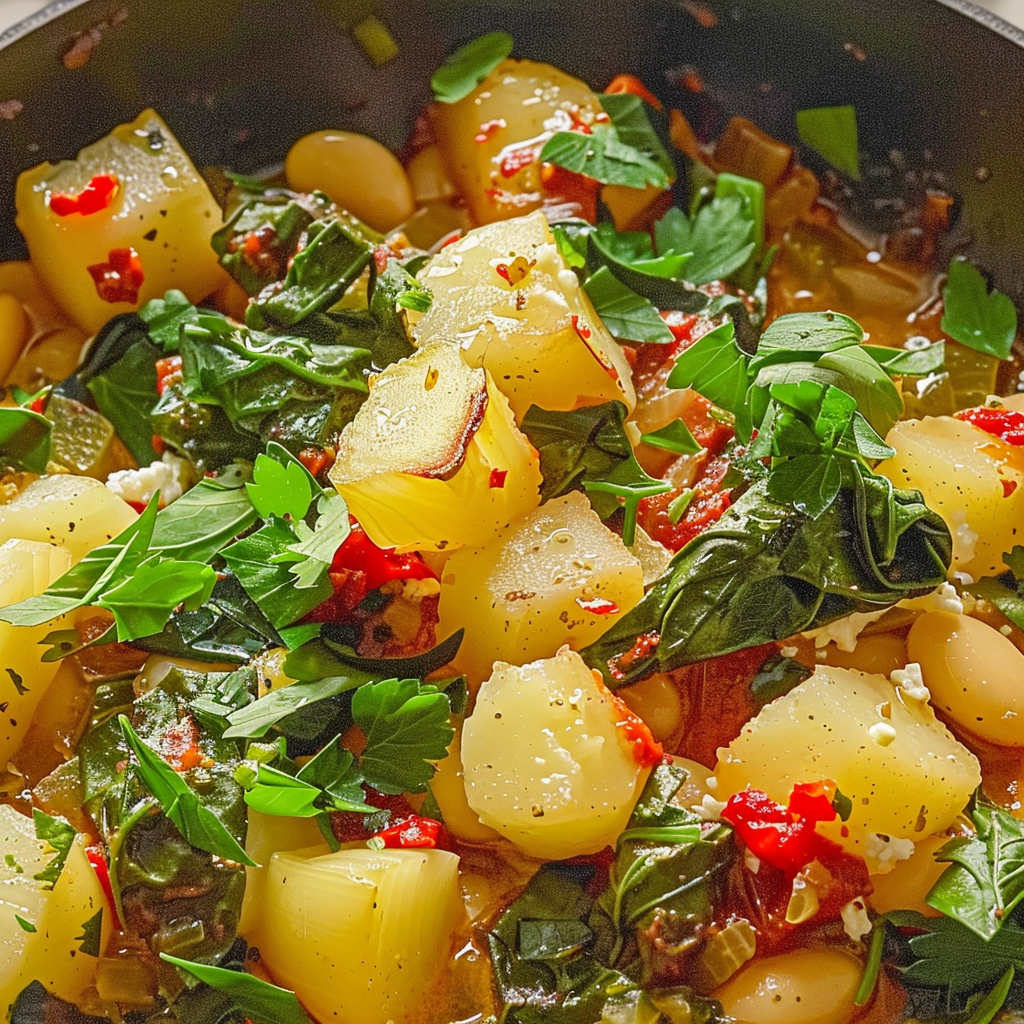
This Blitva is the kind of coastal comfort I return to whenever I want something honest, fast, and full of character. I first learned to make this dish while traveling along the Dalmatian coast, where a home cook coaxed a panful of chard and potatoes into something unexpectedly soulful with nothing more than olive oil, a little salt, and lots of garlic. It’s a humble preparation that celebrates the individual textures of the ingredients: the silky wilted greens, the soft, slightly mashed potatoes, and the shimmering finish of high-quality extra virgin olive oil.
What makes this version special is the balance of technique and restraint. The potatoes are cooked just until tender so they can absorb a kiss of oil and garlic without dissolving; the chard stalks are sautéed first for a gentle crunch, while the leaves are added in fistfuls to wilt evenly. I learned to be generous with garlic—one clove feels shy, six feels celebratory—so chef’s choice is a real mantra here. Blitva is a perfect side for grilled fish, roasted vegetables, or a simple bean stew, and it’s remarkably forgiving: a pantry-friendly dish that brightens weeknight dinners and holiday spreads alike.
I first served this to my family after a long day of coastal walks; the kitchen smelled like garlic and sea air, and everyone lingered at the table. Even picky spinach-averse relatives warmed to it, credit to the olive oil’s grassy depth and the potato’s comforting mouthfeel. Over time I refined the timing so the chard stalks keep a bit of texture while the leaves become tender—small technical shifts that make a big difference in the finished dish.
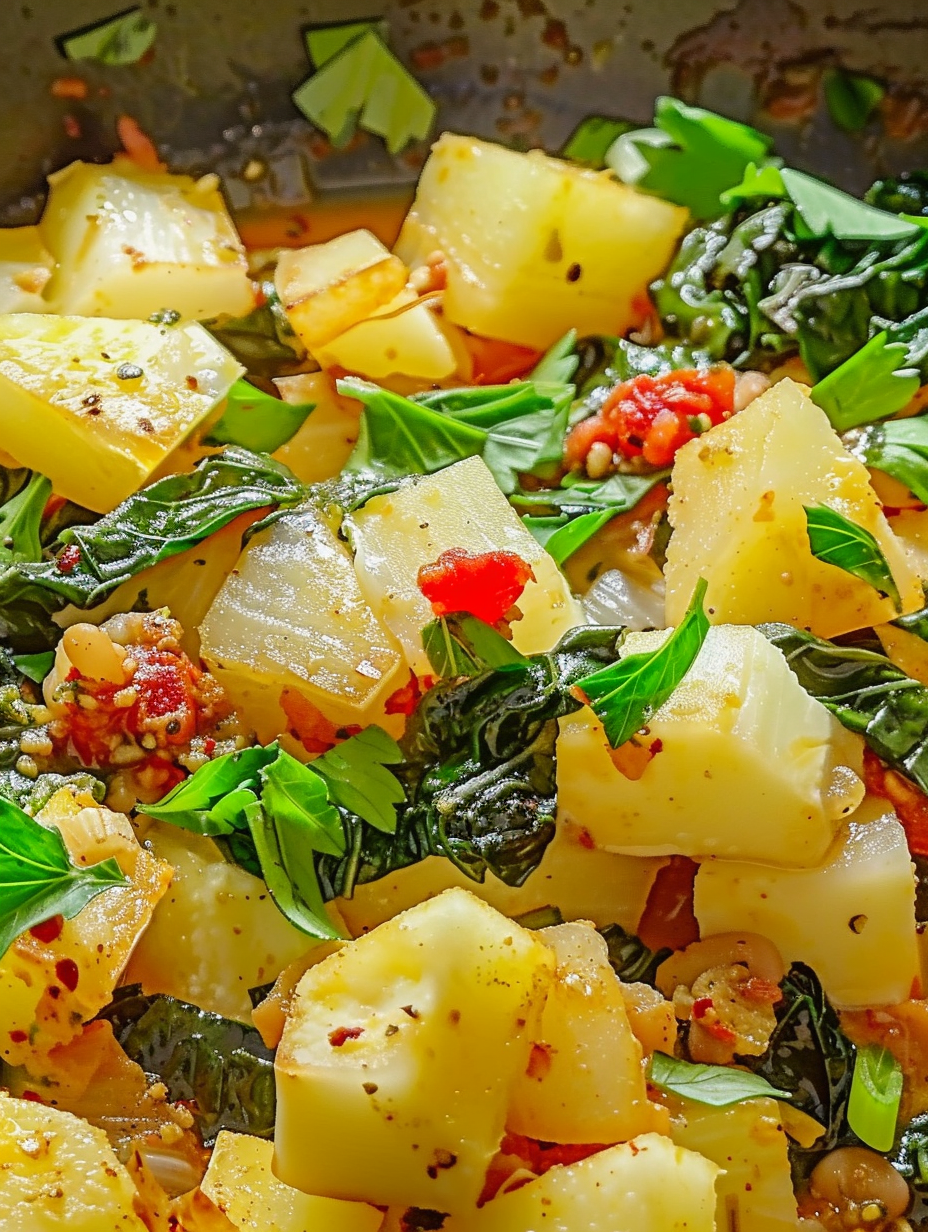
My favorite thing about this dish is its generosity: it turns a few humble ingredients into something that feels abundant. At family dinners, I watch plates come back practically empty; the olive oil gives the potatoes a silky mouthfeel while the chard brings a bright, earthy bite. Over the years I’ve learned to time the potato doneness so they keep a little resistance—no one wants a mushy accompaniment.
Store cooled leftovers in an airtight container in the refrigerator for up to four days. Choose shallow containers to cool the food quickly; this prevents over-softening from steam trapped in deep storage. To reheat, warm a skillet over medium-low heat, add a splash of olive oil, and toss in the blitva until piping hot—this refreshes the oil and revives texture. Microwaving works in a pinch: cover the dish and heat on high in 30-second intervals, stirring between bursts, but be aware the microwave can make the chard more limp.
If you don’t have Swiss chard, swap in kale or collard greens, but give them slightly longer to soften and consider removing tough ribs. Baby spinach works and wilts more quickly—add it a touch later. Sweet potatoes change the flavor profile and require longer cooking or pre-roasting; use a 1:1 swap by weight but adjust cook time. If you’re avoiding garlic, use a pinch of asafoetida or a shallot sautéed gently for a savory base. For heat, substitute crushed red pepper flakes for Aleppo pepper at a 1:1 ratio.
This pairs beautifully with simple grilled fish, roasted leg of lamb, or oven-roasted tomatoes. For a light meal, serve over warm crusty bread with a drizzle of olive oil and a squeeze of lemon. Garnish with toasted breadcrumbs for crunch or a scattering of toasted pine nuts for richness. In summer, pair with a chilled white wine; in winter, serve alongside braised meats to cut through richness. The dish also works as part of a mezze platter with olives and marinated beans.
Blitva is a Croatian coastal classic, most associated with Dalmatia where vegetable-forward preparations complement seafood and simple grilled fare. The word blitva itself means chard, emphasizing the vegetable’s central role. Traditionally, the dish highlights local olive oil and fresh produce, reflecting the Mediterranean “less-is-more” ethos. Regional variations emphasize local chilies or lemon; some cooks add capers or raisins for contrast, while inland versions may include smoked pork for added depth.
In spring and summer use young chard for a more delicate texture and brighter color. In fall and winter, heartier chard varieties and slightly more oil make the dish comforting. For a holiday twist, add roasted garlic and a squeeze of lemon or fold in roasted beets for color and earthiness. During peak chard season, make a large batch to freeze portions; freeze before adding the finishing oil, then refresh in a skillet when ready to eat.
Prep the chard ahead by washing and separating leaves and stems, storing them wrapped in a towel in the refrigerator for up to two days. Par-cook the potatoes and refrigerate them separately; when you’re ready to serve, sauté stems and garlic, add leaves, then fold in warmed potatoes. Use shallow airtight containers for portioning and label with date. Reheat in a skillet so the oil rejuvenates the dish—avoid the microwave if you want to preserve texture.
This Blitva is a reminder that simple techniques and good ingredients can create memorable food. Try different garlic quantities and chili levels until you find your favorite balance, and enjoy the way this humble plate brings people together. Make it your own, and don’t hesitate to share it at the next family meal.
Rinse chard thoroughly and separate stems from leaves to ensure even cooking.
Use a high-quality extra virgin olive oil for finishing; its flavor is central to the dish.
Cook potatoes until just tender so they hold their shape when tossed with greens.
Avoid browning garlic; aim for fragrant, soft slices to prevent bitterness.
Reheat in a skillet with a splash of olive oil to refresh texture and flavor.
This nourishing blitva (croatian potatoes and swiss chard) recipe is sure to be a staple in your kitchen. Enjoy every moist, high protein slice — it is perfect for breakfast or as a wholesome snack any time.
This Blitva (Croatian Potatoes and Swiss Chard) recipe makes perfectly juicy, tender, and flavorful steak every time! Serve with potatoes and a side salad for an unforgettable dinner in under 30 minutes.
Wash chard leaves thoroughly to remove grit. Tear leaves into bite-size pieces and thinly slice the stalks; set stems and leaves aside separately for even cooking.
Place potato chunks in a large skillet with about 2 cups of water and 1 teaspoon salt. Bring to a boil, cover, reduce heat to medium-low, and simmer until potatoes are fork-tender, 8 to 10 minutes. Drain in a colander.
Wipe out the skillet, add 4 tablespoons extra virgin olive oil, and heat over medium. Add sliced chard stems and garlic; sauté, stirring frequently, until stems are crisp-tender and garlic is fragrant but not browned, about 3 minutes.
Add chard leaves in large fistfuls, tossing with tongs to wilt evenly. Add a pinch of salt and optional chili, and cook until leaves are fully wilted and tender, about 3 minutes.
Stir drained potatoes into the chard, lightly mash a few pieces for creaminess, season with salt and pepper, and drizzle with 2 to 3 tablespoons extra virgin olive oil before serving.
Last Step: Please leave a rating and comment letting us know how you liked this recipe! This helps our business to thrive and continue providing free, high-quality recipes for you.
Leave a comment & rating below or tag
@silksavor on social media!
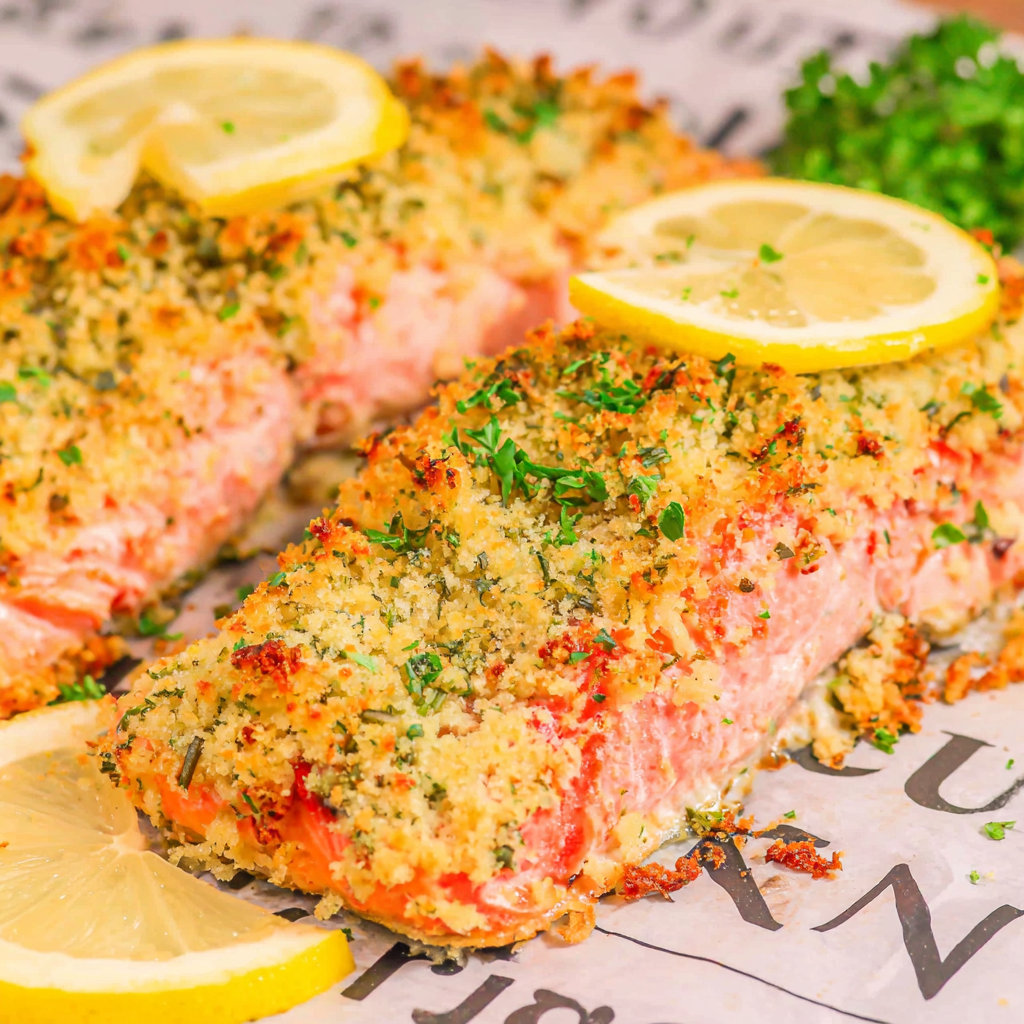
Tender baked salmon crowned with a garlicky Parmesan herb crust, bright lemon, and buttery crunch. Simple to make, stunning to serve, and irresistibly flavorful.
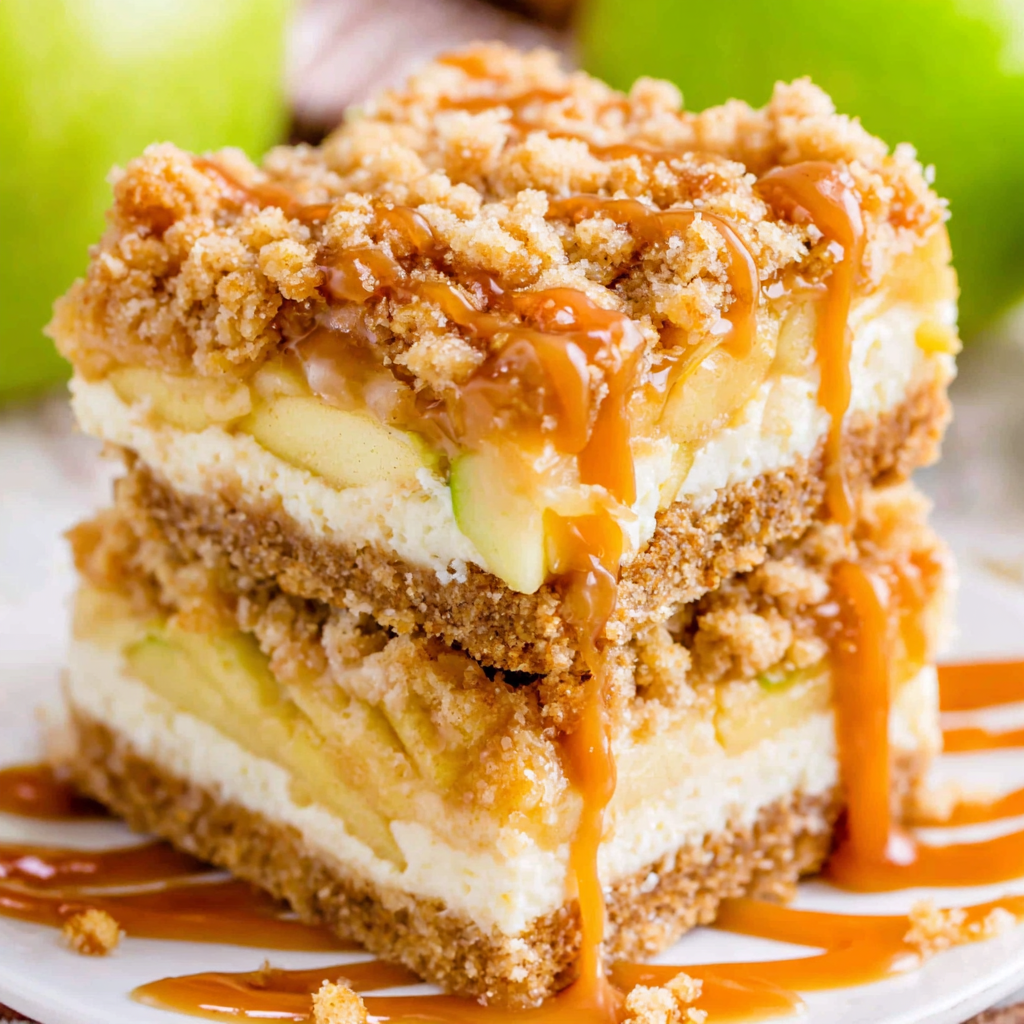
Buttery graham crust, silky cheesecake, and cinnamon-kissed apples under a crunchy crumb, finished with glossy caramel. A fall crowd-pleaser you will crave.
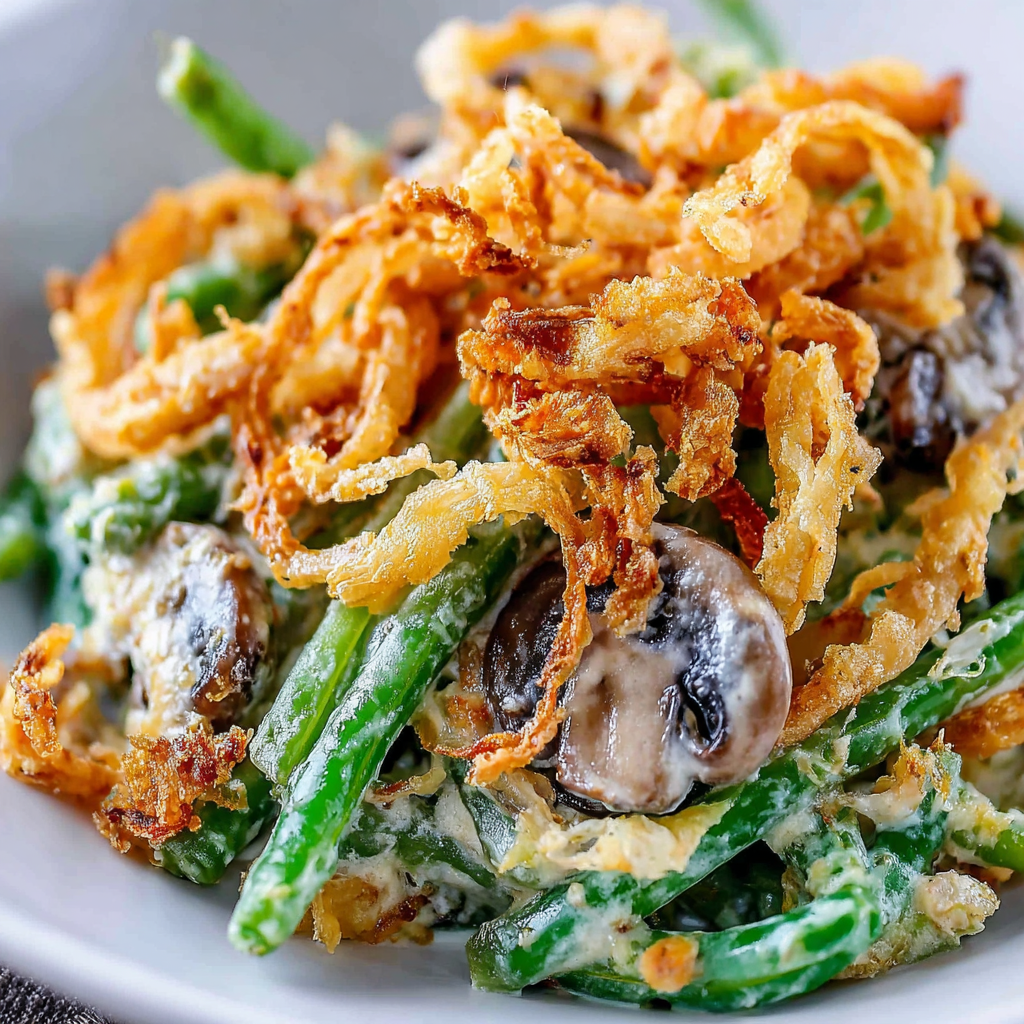
Tender green beans in silky mushroom cream, crowned with crispy onions. A comforting holiday side made entirely from scratch that always disappears fast.
Leave a comment & rating below or tag @silksavor on social media!
Enjoyed this recipe? Share it with friends and family, and don't forget to leave a review!
This recipe looks amazing! Can't wait to try it.
Comments are stored locally in your browser. Server comments are displayed alongside your local comments.

Join to receive our email series which contains a round-up of some of our quick and easy family favorite recipes.